

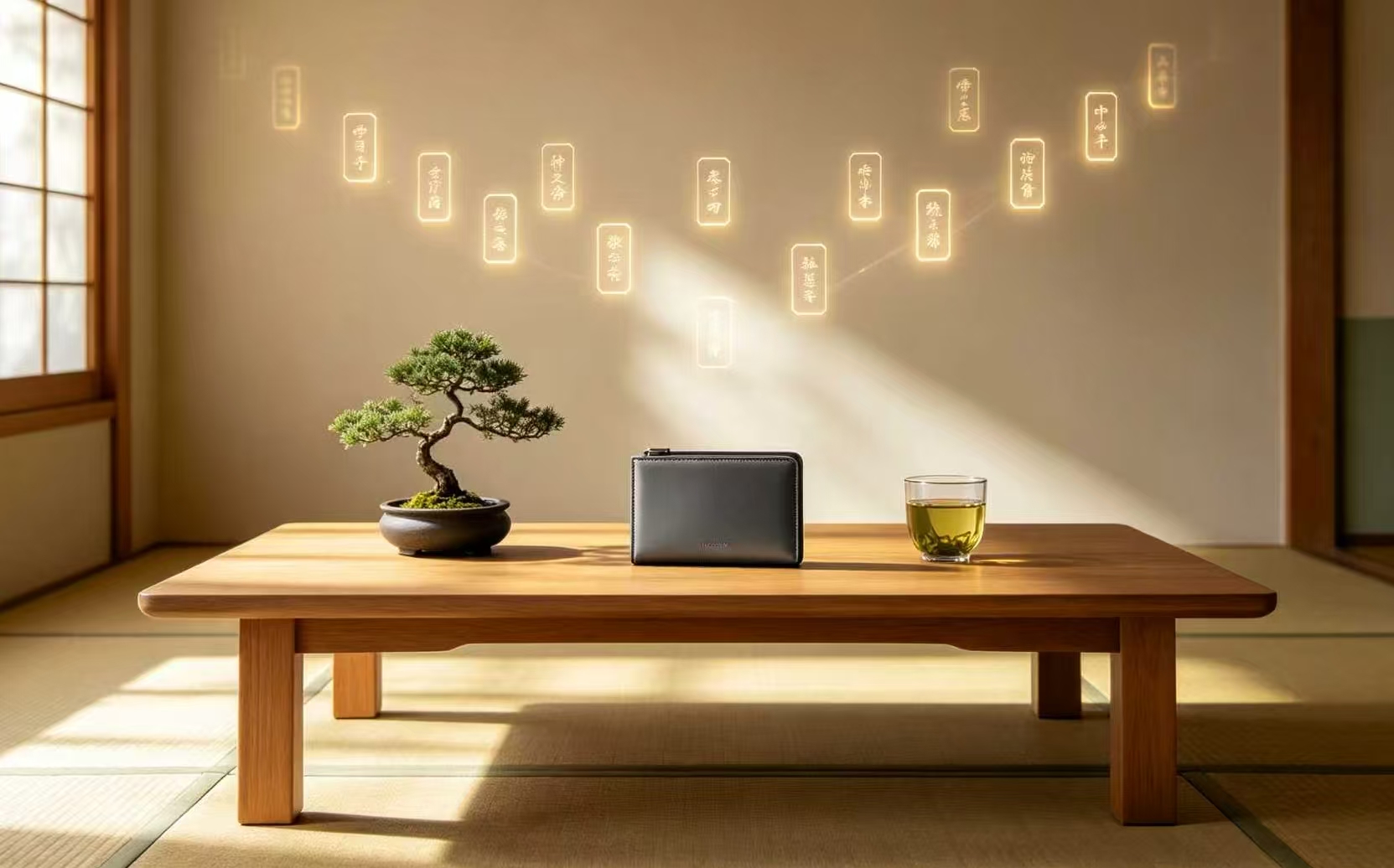
Minimalism is often misunderstood as mere decluttering—owning fewer things and living in a sparse, white-walled room. In truth, minimalism is a philosophy of intentionality. It is about removing excess to make space for what truly matters: time, experiences, relationships, and peace of mind. While the movement has traditionally focused on physical possessions, a new frontier is opening at the intersection of minimalism and decentralized finance. By embracing crypto wealth management, minimalists are discovering a way to simplify not just their homes, but their entire financial lives, shedding the complexity of traditional banking, paperwork, and the constant noise of consumerism.
The traditional financial life is anything but minimal. It involves checking accounts, savings accounts, credit cards, investment accounts, retirement funds, insurance policies, mortgage documents, and tax forms spread across multiple institutions. Each relationship requires passwords, customer service calls, and mental bandwidth. The minimalist ethos asks: why should managing wealth be so complicated and anxiety-inducing? Crypto offers a radical simplification. A self-custody wallet, secured by a single seed phrase, can replace a dozen bank accounts. Through decentralized finance protocols, that wallet can earn yield, access loans, make payments, and hold a diversified portfolio of digital assets, all without interacting with a single human intermediary or filing cabinet.
Consider the minimalist approach to savings. Instead of chasing promotional interest rates and juggling accounts, a minimalist can deposit stablecoins into a transparent, non-custodial lending protocol. The yield is algorithmic, visible on-chain, and requires no paperwork. There are no minimum balance fees, no dormant account penalties, and no marketing calls. The portfolio is reduced to a few digital assets held in one place, trackable on a smartphone. With the advent of decentralized automated investment strategies, a minimalist can set a simple, recurring purchase of a diversified crypto index, much like a set-it-and-forget-it philosophy applied to digital gold and blue-chip crypto assets. The mental load drops dramatically; wealth accumulation becomes a background process rather than a source of constant stress.
The minimalist lifestyle also benefits from the portability of crypto wealth. Physical minimalism often goes hand in hand with geographic freedom—the ability to move lightly through the world. Traditional wealth, however, is geographically sticky. It is tied to national banking systems, tax residencies, and local currencies. Crypto wealth, stored in a hardware wallet the size of a keychain, is borderless. It can be accessed from anywhere, converted into local currency as needed, and managed without a permanent address. For the digital nomad or the retiree traveling the world, this is the ultimate financial decluttering. All the wealth needed to sustain a simple, fulfilling life can be carried in a pocket or even memorized as twelve words.
Another alignment between minimalism and crypto wealth management lies in the rejection of debt culture. Mainstream finance often pushes consumers toward credit cards, car loans, and mortgages, creating a web of obligations that ties individuals to jobs they may not want and lifestyles they do not need. Crypto-native finance, while certainly not free of leverage, offers a permissionless lending and borrowing market where individuals set their own collateralization ratios and can borrow transparently without marketing-driven schemes. More importantly, the ethos of self-custody encourages a mindset of saving and holding rather than spending and borrowing. The “HODL” culture, while sometimes mocked, reflects a minimalist impulse: buy something durable, hold it, and ignore the noise.
Simplicity also extends to legacy planning. Traditional inheritance involves wills, probate courts, and complex legal instruments. A crypto wallet, in contrast, can be passed to heirs with a seed phrase and a simple letter of instruction. Smart contract-based inheritance solutions allow assets to be transferred automatically after a period of inactivity, eliminating layers of legal fees. This clean, efficient transfer of wealth across generations resonates with the minimalist desire to reduce life’s administrative burdens and leave a clear, uncomplicated legacy.
Of course, minimalism in crypto requires discipline. The cryptocurrency space is filled with thousands of tokens, memecoins, and yield-farming schemes that can turn a simple portfolio into a chaotic mess of speculation. The minimalist must resist the temptation to chase every airdrop and the latest DeFi token. True crypto minimalism might mean holding only a handful of assets: Bitcoin as a store of value, Ether or another smart contract platform for utility, and a stablecoin for transactions and yield. The goal is not maximal profit through frantic activity, but steady, quiet growth through patience and simplicity.
This philosophy also encourages a different relationship with consumption. When your savings are in assets that can appreciate significantly over time, every discretionary purchase becomes a trade-off against future potential. Minimalists already practice intentional spending; measuring purchases in satoshis rather than fiat currency sharpens that instinct. It encourages buying quality, timeless items, and experiences over disposable goods. The crypto minimalist is not a miser; they are simply more aware of the true cost of what they buy in terms of future freedom.
The minimalist’s guide to crypto wealth is not about getting rich quickly. It is about achieving financial autonomy with the fewest possible moving parts. It is about replacing a desk drawer full of financial statements with a single device. It is about walking through the world lightly, with the quiet confidence that your wealth is secure, portable, and working for you in the background. As the tools of decentralized finance become more user-friendly and integrated, the path to a simpler, more intentional financial life is opening. For minimalists, it is the natural next step: declutter your money, and you declutter your mind.