

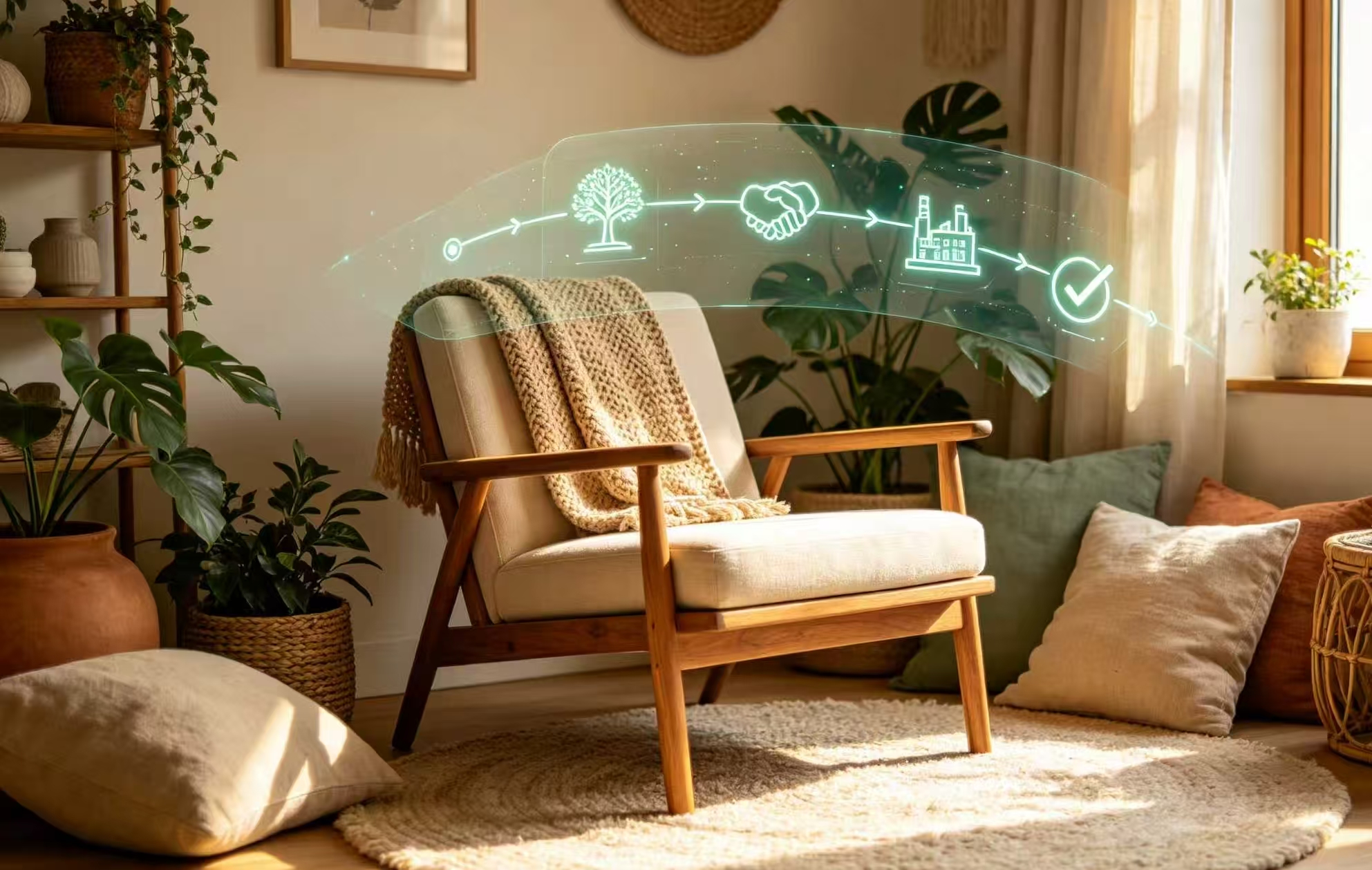
The modern homeowner is increasingly conscious of where their furniture, textiles, and decor originate. Sustainability, ethical labor practices, and authenticity have become central concerns in interior design. Yet the journey of a product from raw material to finished piece is often shrouded in opacity. A label might claim that a wooden table is made from reclaimed timber, or that a rug was hand-woven by artisans in a fair-trade cooperative, but verifying those claims is difficult. Certifications can be forged, and supply chains are complex. Blockchain technology is now entering the home design world, offering a radical new level of transparency through digital product passports and immutable provenance records. This provenance revolution is empowering consumers to make informed, ethical choices and is transforming the aesthetics of the home into a statement of verified values.
At its core, a blockchain-based product passport is a digital twin of a physical item, stored on a decentralized ledger. It contains verified information about every step of the product’s lifecycle: the origin of raw materials, the location and conditions of manufacturing, the transportation route, and the final point of sale. For a sofa upholstered in organic cotton, the passport might include GPS-tagged photos of the cotton farm, certifications from third-party auditors, time-stamped records of the dyeing process, and a tokenized proof of the artisan’s fair wage payment. Because these records are cryptographically signed and immutable, they cannot be altered retroactively. A consumer can scan a QR code on the product and view its entire history with confidence.
This transparency revolutionizes interior design choices. A homeowner styling a living room can now prioritize pieces not just for their aesthetic appeal, but for their proven sustainability credentials. The provenance data becomes part of the narrative of the home. When guests admire a hand-carved coffee table, the host can share not just where it was bought, but the story of the forester who sourced the wood, the carpenter who shaped it, and the carbon footprint of its journey. The home becomes a gallery of traceable, meaningful objects, each with a verified biography. This elevates interior design from a purely visual practice to an ethical one, where beauty is intertwined with integrity.
The lifestyle implications are significant. For those who practice conscious consumption, blockchain-verified provenance reduces the anxiety of greenwashing—the deceptive marketing that presents products as more sustainable than they are. It allows consumers to align their living spaces with their values without relying on trust alone. Moreover, it fosters a deeper connection to the objects that fill a home. When a chair is not just a chair, but a documented story of regeneration and craftsmanship, it is less likely to be disposed of casually. This encourages a shift away from fast furniture and disposable decor toward investment pieces that are cherished, repaired, and passed down, much like the digital heirlooms discussed elsewhere.
For interior designers, this technology is a powerful tool. Designers can source materials and products for clients with full visibility into their ethical and environmental impact. A designer working on a LEED-certified building can integrate furniture with blockchain passports that contribute to the project’s sustainability score, with all documentation automatically compiled and verifiable. The presentation to the client becomes richer: a design proposal can include not just mood boards and color palettes, but an impact report showing the carbon saved, the artisans supported, and the virgin materials avoided. This adds a compelling dimension to the professional service, meeting the growing demand for sustainable luxury.
The trend is already taking shape. Several high-end furniture brands and artisan cooperatives are partnering with blockchain startups to create digital product passports. The Italian luxury furniture sector, for example, is exploring blockchain to authenticate designs and combat counterfeits, while also demonstrating the use of sustainably harvested wood. In the rug industry, blockchain is being used to track wool from specific sheep breeds in New Zealand to the final hand-knotted product in Nepal, with each step verified. These early adopters are setting a new standard for transparency that will likely become a competitive advantage as consumer expectations evolve.
From an economic perspective, the provenance revolution also creates value. Products with verified, transparent histories command premium prices, much like art with clear provenance. A table with a blockchain passport is not just a functional item; it is a verified asset that can appreciate in value, be insured more easily, and be resold with its history intact. As the second-hand market for luxury furniture grows, provenance records will become essential for authentication and valuation.
There are challenges, of course. The cost of implementing blockchain tracking can be prohibitive for smaller artisans. The technology must be integrated without adding friction to the supply chain. Ensuring that the initial data input is honest—that a bad actor does not log false information from the start—remains a critical issue, mitigated by independent audits and IoT integration. Nonetheless, the trend is gaining momentum, driven by consumer demand for accountability and a genuine desire to live in homes that reflect not just personal taste, but personal responsibility.
The provenance revolution in home design is not about technology for technology’s sake. It is about restoring trust in the objects we live with. It is about making the invisible visible—the hands that made, the forests that gave, the energy that moved. In a world saturated with anonymous goods, a home filled with objects that have proven stories is a home with soul. For those who style their interiors as a reflection of their identity, blockchain-verified provenance offers the ultimate accessory: truth.