

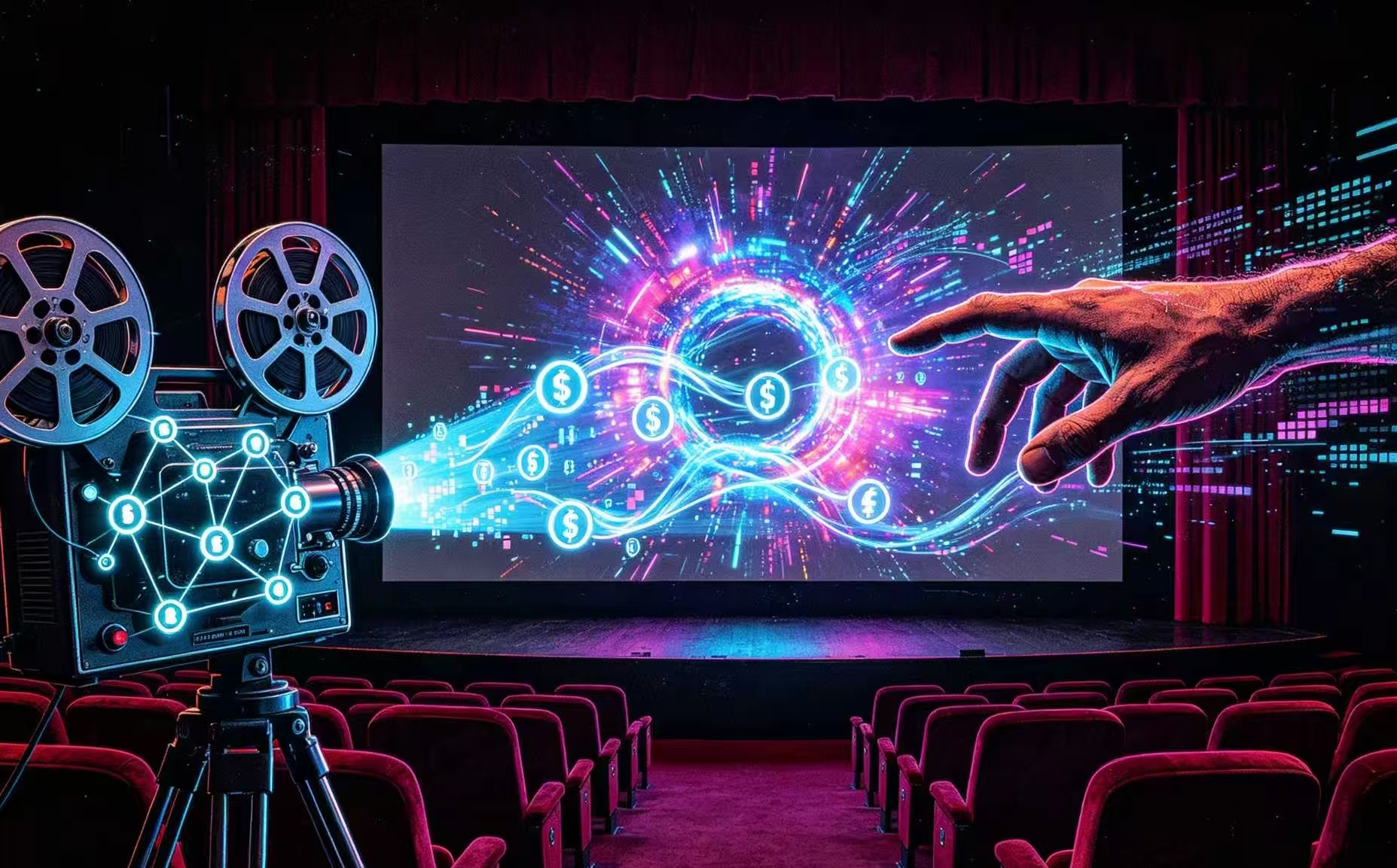
For over a decade, the video streaming industry has been a tale of two groups: the platforms and the creators. Platforms like YouTube, Twitch, and TikTok provide the infrastructure, the audience, and the algorithms, while creators provide the labor, the creativity, and the community. The financial arrangement, however, is deeply asymmetrical. Platforms take a substantial cut of advertising revenue, control discoverability through opaque algorithms, and can demonetize or ban creators without meaningful recourse. Decentralized video streaming, powered by blockchain protocols and token-based incentives, is emerging as a radical alternative—one that shifts power and revenue back to the creators and their communities, while building a more open and resilient infrastructure for digital content.
The core innovation of decentralized streaming is the redistribution of the infrastructure cost. Traditional platforms maintain massive, centralized server farms that encode, store, and deliver video to millions of concurrent viewers. This is expensive, which justifies the platform’s large revenue share. Decentralized networks like Livepeer and Theta Network flip this model by creating a marketplace for video transcoding and delivery, where anyone with spare computing power can contribute resources and earn tokens in return. Livepeer, for instance, allows developers to build video applications that tap into a network of thousands of node operators who handle the computationally intensive task of transcoding video into different formats and bitrates. The cost can be up to fifty times lower than traditional cloud services, and the network is censorship-resistant—no single entity can decide to pull the plug on a stream.
For content creators, the benefits extend beyond cheaper infrastructure. Decentralized streaming platforms built on these protocols, such as DTube, Odysee (built on LBRY), and Lenstube (built on Lens Protocol), enable direct creator-to-viewer value transfer. Creators can earn tokens based on views, tips, and subscriptions without an intermediary taking a large share. Smart contracts can automate royalty splits for collaborative content, ensuring that every contributor—videographer, editor, musician—receives their agreed percentage instantly and transparently. Furthermore, because the content and the social graph can be stored on decentralized storage and blockchain networks, creators are not locked into any single platform. They own their audience relationships and can migrate to a different front-end interface without losing subscribers, views, or revenue history.
The viewer experience also transforms. On many decentralized platforms, users can earn tokens by watching content, curating playlists, or participating in content moderation. This tokenization of attention turns passive consumption into an active, potentially rewarding activity. Viewers become stakeholders in the network, not just products to be sold to advertisers. Communities can collectively govern the platform through decentralized autonomous organizations (DAOs), voting on content policies, featured creators, and treasury allocations. This participatory model stands in stark contrast to the top-down governance of centralized platforms, where policy changes are often enacted without community input.
The art culture of video creation is enriched by the ability to mint video content as non-fungible tokens (NFTs). A filmmaker can release a limited edition of a short film as an NFT, offering collectors not only the file but also exclusive director’s commentary, behind-the-scenes footage, or a share of future revenue. A musician can release a music video that is itself a collectible piece of art. The integration of video NFTs into decentralized streaming platforms creates a cultural space where digital video is treated as an art object, not just disposable content in an infinite scroll. This elevates the status of creators and encourages more ambitious, high-quality work that exists outside the demands of algorithm-driven, ad-friendly formats.
Economic news around decentralized streaming is heating up. As major content creators express frustration with demonetization and platform dependency, the exodus to Web3 alternatives is accelerating. Theta Network has partnered with major media companies, and Livepeer has seen its transcoding volume grow exponentially. Investment is flowing into startups building creator tokens, decentralized video marketplaces, and streaming-specific Layer 2 solutions. The addressable market is enormous: video accounts for over eighty percent of global internet traffic, and even a small shift toward decentralized infrastructure represents billions of dollars in revenue that could be redistributed to creators and network participants.
From a creative living perspective, decentralized video streaming is liberating. Creators can build sustainable, globally distributed careers without relying on a single platform’s algorithmic favor. They can experiment with niche content that might not find a mass audience but can thrive with a small, dedicated community of patrons. The ability to earn income directly, own one’s audience, and participate in the governance of the platforms one uses aligns professional success with personal autonomy. It is a model that rewards authenticity, community building, and long-term thinking over clickbait and virality.
Challenges remain. Decentralized storage and streaming still lag behind centralized solutions in terms of latency and user experience, though the gap is closing. Discovery is fragmented across multiple platforms, making it harder for new creators to be found. And the tokenomics of many projects are still experimental, with inflation and speculation posing risks to long-term sustainability. Yet, the trajectory is unmistakable. As the infrastructure matures and the user experience becomes seamless, decentralized video streaming has the potential to disrupt the legacy platforms in the same way that streaming once disrupted cable television. It promises a future where the power of the pixel is returned to the hands of the people who create, curate, and care about video content.