

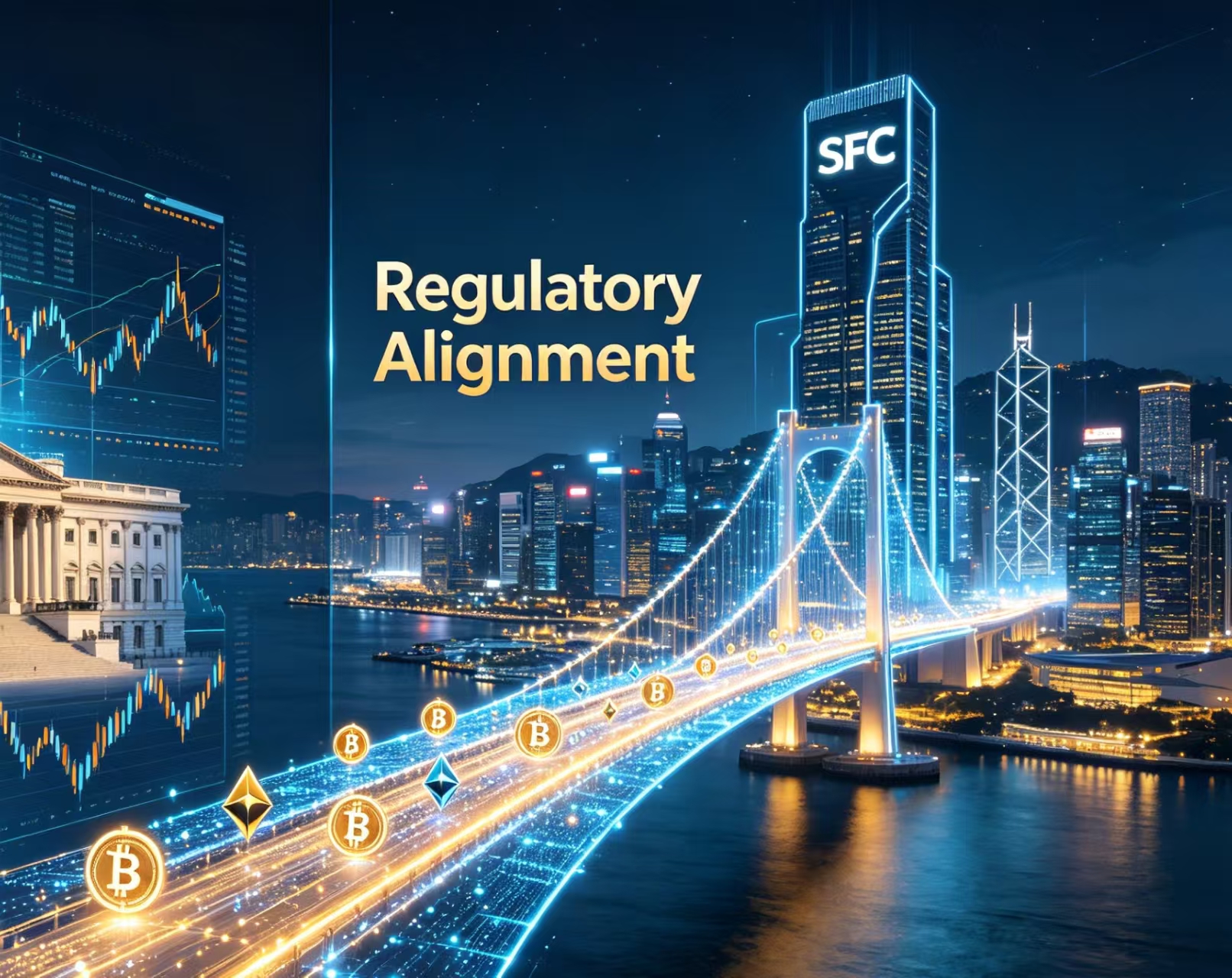
Comprehensive Report – The global cryptocurrency regulatory map is undergoing its most profound transformation since the birth of Bitcoin. Market attention is no longer fixated solely on asset price swings but is shifting towards the construction of underlying compliance infrastructure. The actions of two global financial hubs, the United States and Hong Kong, are drawing a new starting line for the industry.
In the US, SEC Commissioner Hester Peirce, affectionately known as “Crypto Mom” in the community, recently unveiled an ambitious cross-agency regulatory roundtable plan. She announced that the SEC, together with the Commodity Futures Trading Commission (CFTC) and the Treasury Department, will launch a series of public discussions this summer. The core objective is to definitively clarify the nature of digital assets – are they securities or commodities?
The backdrop to this move is the industry’s long-standing frustration with overlapping regulators and vague rules. Peirce stated bluntly that the biggest challenge right now is “getting out of the turf wars, sitting down, and aligning the legal texts with real-world application.” Her preliminary proposals include offering tailored exemptive relief for certain token projects and allowing blockchain startups to conduct limited testing within a “regulatory sandbox” without fear of enforcement action. Analysts see this as a signal that the SEC is attempting to pivot from reactive enforcement to proactive legislative guidance. While the Howey Test remains the bedrock for defining a security, the roundtable has sent a strong signal of flexibility – in the future, if a network token achieves sufficient decentralization, it could be reclassified and no longer subject to strict securities laws.
Across the ocean, Hong Kong is making even more pragmatic strides forward. The Securities and Futures Commission (SFC) recently updated its list of licensed virtual asset trading platforms, with several major exchanges entering the transitional “deemed-to-be-licensed” phase or receiving formal approval. Sources indicate that the new round of on-site inspections is intensely focused on two specific points: first, the independence of custody technology, requiring a complete air gap between client assets and corporate operating wallets; and second, the effectiveness of market manipulation surveillance algorithms, which must be demonstrably operational rather than just documented policy.
Hong Kong’s strategy extends beyond tightening regulations; it aims to open capital channels between traditional finance and the crypto world. Multiple licensed platforms have already launched spot Bitcoin and Ethereum ETFs in Hong Kong, innovatively supporting in-kind subscriptions and redemptions. This combination of “licensed exchange + spot ETFs” is essentially building a government-endorsed, securities-market-like “Crypto Connect” scheme. For the industry, global regulation is shifting from grand narratives to micro-level operations. Clear rules may eliminate small players unable to bear the compliance costs, but they will also pave the path for trillions in traditional capital to enter the market.