

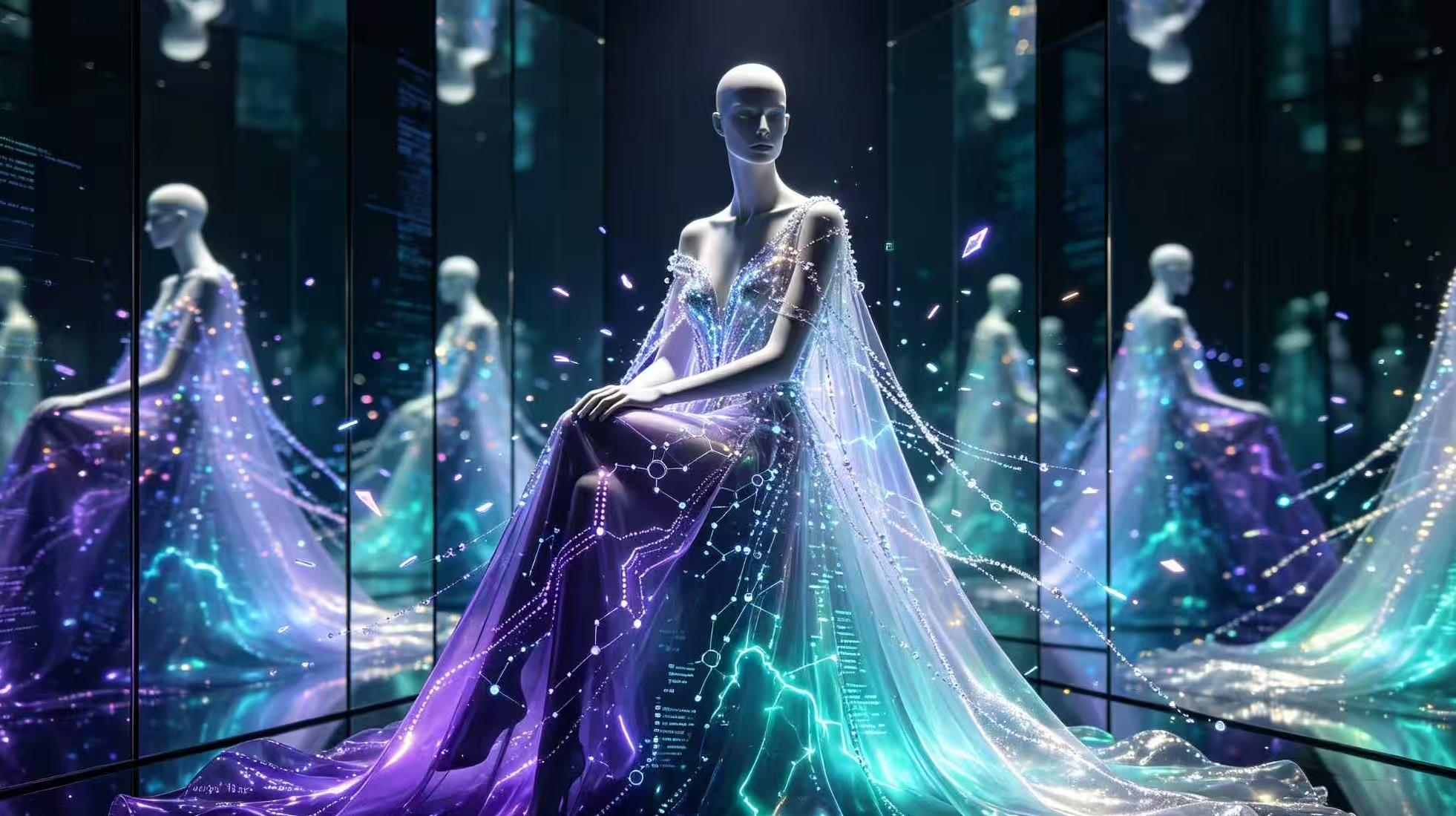
Fashion has always been a language of identity, status, and creativity. From the hand-stitched silks of ancient dynasties to the logo-driven streetwear of the 1990s, what we wear tells a story about who we are—or who we aspire to be. Today, that narrative is expanding into a new dimension: the digital realm. Digital fashion, authenticated and owned through blockchain technology, is emerging as a multi-billion-dollar cultural and economic phenomenon. It allows individuals to express themselves through virtual garments, accessories, and skins that exist purely as code, yet carry the weight of verifiable ownership, scarcity, and artistic provenance.
The concept of digital fashion may seem abstract at first. Why would anyone buy clothing that cannot be physically worn? The answer lies in the exponential growth of our digital lives. We spend hours in video games, on social media, and in virtual meetings. Our avatars, profile pictures, and online personas have become extensions of our physical selves. Dressing these digital selves is a natural evolution of the human desire for self-expression. A report by Morgan Stanley estimates that the market for digital fashion in the metaverse could reach over $50 billion by 2030. Blockchain provides the critical infrastructure that makes this economy viable, transforming digital garments from ephemeral, copyable files into unique, ownable assets.
At the core of digital fashion’s credibility is the non-fungible token (NFT). An NFT acts as a certificate of authenticity and ownership for a digital garment. When a designer creates a virtual dress, they mint it as an NFT on a blockchain, often in a limited edition. The buyer receives a token that proves they own the original, authentic piece. This garment can then be “worn” in various digital environments: as an augmented reality filter on Instagram, as a skin in a video game, or as an outfit for a virtual reality avatar. Because the ownership is recorded on-chain, the garment can be resold, with smart contracts ensuring that the original designer receives a royalty on every secondary sale. This creates a sustainable economic model for creators that is absent from traditional fast fashion.
Pioneering brands like The Fabricant, RTFKT (acquired by Nike), and DressX have already sold digital-only garments for thousands of dollars. In 2019, The Fabricant sold a digital dress called “Iridescence” for $9,500. RTFKT’s virtual sneakers, designed in collaboration with artist FEWOCiOUS, generated millions in revenue within minutes. These are not mere novelties; they are artifacts of a new creative culture where the boundary between the physical and the digital dissolves. High-fashion houses including Gucci, Balenciaga, and Louis Vuitton have launched their own NFT collections and virtual try-on experiences, recognizing that the next generation of luxury consumers values digital expression as much as physical luxury.
The intersection of art culture and blockchain fashion is particularly rich. Digital fashion designers are artists in their own right, unburdened by the constraints of physics and material cost. A virtual dress can be made of liquid gold, floating flower petals, or pure light. It can defy gravity, change color with the weather via oracle data, or respond to the wearer’s biometric signals. The creative possibilities are infinite. Platforms like Digitalax and The Dematerialised are nurturing a global community of digital fashion designers, providing marketplaces, collaborative tools, and educational resources. These platforms operate as DAOs, allowing designers and collectors to govern the ecosystem and share in its growth.
From a lifestyle and creative living perspective, digital fashion offers a more sustainable and accessible form of self-expression. The environmental toll of physical fashion is staggering—the industry is responsible for up to 10% of global carbon emissions and immense water consumption. A digital garment has a minuscule environmental footprint in comparison. It can be produced without waste, shipped without fuel, and worn without physical depletion. For the minimalist or the environmentally conscious, a digital wardrobe allows for endless creative reinvention without contributing to landfill. Moreover, digital fashion is accessible to anyone with an internet connection, democratizing the ability to participate in fashion culture regardless of geography or economic status.
The economic news around digital fashion is increasingly mainstream. Major fashion weeks now feature digital collections alongside physical ones. Venture capital is pouring into Web3 fashion startups. The convergence of gaming and fashion is accelerating, with platforms like Roblox and Fortnite hosting virtual fashion shows and branded experiences. The job market is expanding, creating roles for digital pattern makers, 3D fashion designers, blockchain developers, and virtual stylists. A new archetype of the creative professional is emerging—one who is equally at home with fabric swatches and smart contracts.
Challenges remain. The user experience of acquiring and wearing digital fashion must become seamless. Interoperability between different virtual worlds is still limited; a dress purchased for one metaverse may not be usable in another. Standards are being developed, but for now, digital wardrobes can be fragmented. There is also the risk of speculation, where digital fashion is bought purely for resale value rather than creative enjoyment, potentially creating bubbles. However, as the infrastructure matures and the cultural shift toward digital identity accelerates, these challenges are likely to be addressed.
Digital couture represents a paradigm shift not just in fashion, but in how we think about ownership and identity in the digital age. When you own a digital garment verified on a blockchain, you are not merely licensing a file; you are holding a piece of culture. It is an assertion that our digital selves deserve the same care, beauty, and authenticity as our physical ones. In the grand tapestry of human expression, blockchain is the thread that stitches the physical and the virtual into a seamless whole, and fashion is leading the way down the runway.