

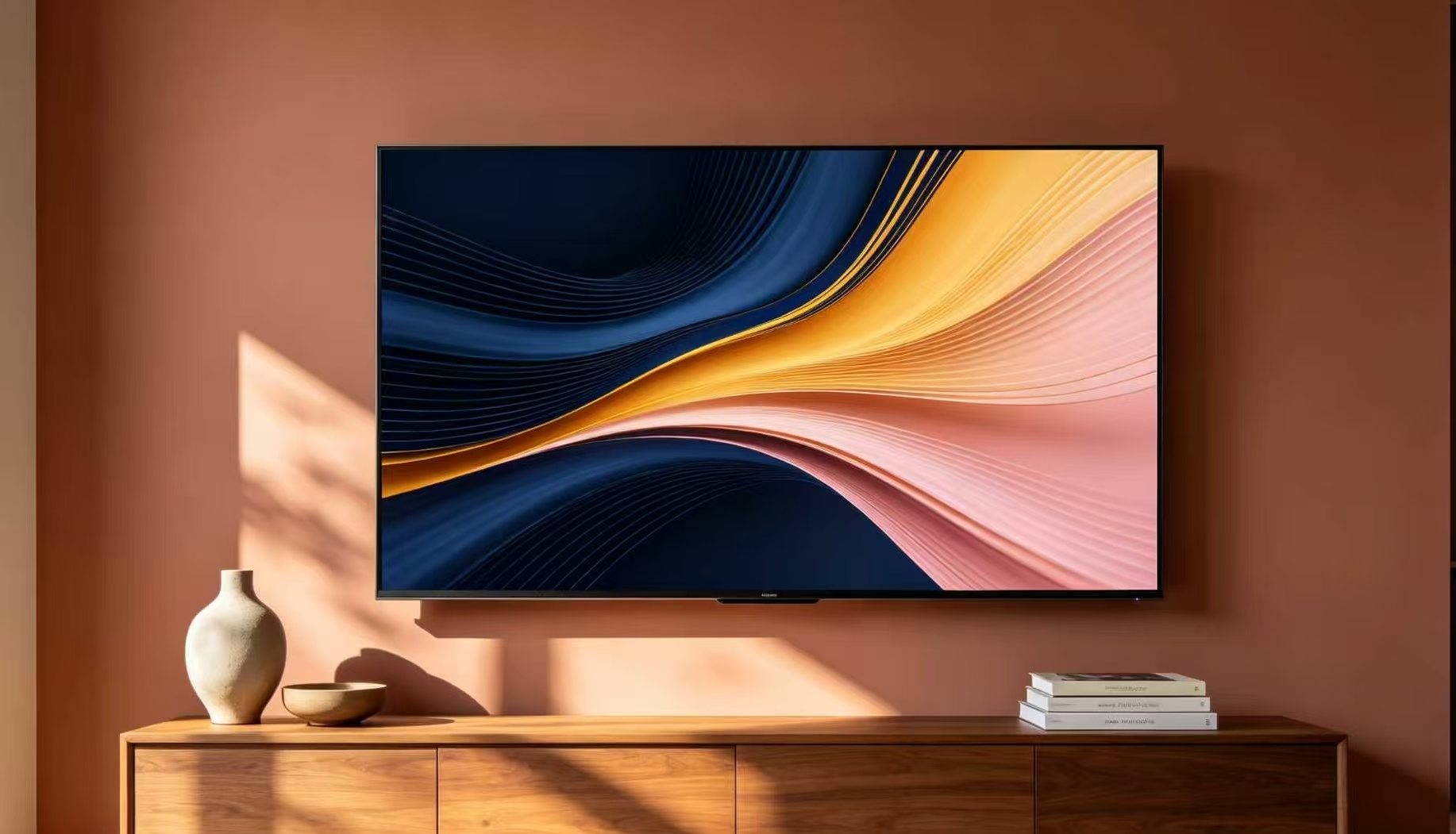
Interior design has always been a reflection of personal identity, taste, and cultural capital. For centuries, the wealthy displayed their status through oil paintings, tapestries, and sculptures. Later, posters and prints democratized wall art for the masses. Now, a new chapter is being written at the intersection of blockchain technology and home styling: the rise of digital art displays and non-fungible tokens (NFTs) as a legitimate, dynamic element of interior design. This fusion is changing not just what hangs on our walls, but how we think about ownership, curation, and the very nature of a home.
The catalyst for this shift is the maturation of digital display technology. High-resolution screens designed specifically for displaying digital art—such as the Samsung Frame, the Meural Canvas, and dedicated NFT displays—have become increasingly sophisticated. These devices feature matte, anti-glare screens that mimic the texture of paper or canvas, adaptive brightness that adjusts to ambient light, and frames that range from sleek modern to ornate baroque. When not in use, they can show a single masterpiece or cycle through a curated collection. The technology has reached a point where a displayed NFT can look as natural and integral to a room as a traditional painting, without the cold glow of a television screen.
What blockchain adds to this picture is provenance, scarcity, and true ownership. An NFT is a cryptographic token on a blockchain that represents ownership of a specific digital asset—be it a generative artwork, a photograph, or a 3D animation. When you purchase an NFT and display it in your home, you are not just showing a JPEG; you are displaying a verifiably owned piece of cultural history. Your guests can, if they are curious, look up the token on a blockchain explorer and see its entire transaction history, its creator, and its edition number. This transparency elevates the act of display from mere decoration to a form of connoisseurship. It is the digital equivalent of owning a signed, limited-edition print, but with an immutable chain of custody.
The aesthetic possibilities are unprecedented. Unlike a physical painting, which is static, a digital artwork can change over time. Imagine a living room centerpiece that slowly shifts its palette with the seasons—warm ambers in autumn, cool blues in winter—responding to real-time weather data. Or a generative piece that evolves based on the time of day or the phases of the moon. A collector could rotate their collection for a dinner party, displaying vibrant pop art during cocktails and serene landscapes during a dinner conversation. This dynamic quality allows a room to have moods, not just a static theme. Interior designers are beginning to incorporate digital art as a flexible layer in their projects, specifying screens and recommending artists just as they would with traditional galleries.
Furthermore, the integration of smart home technology allows for a seamless, automated experience. A digital art frame can be programmed to wake up in the morning with a gentle, uplifting piece, transition to a focused, energetic work during the day in a home office, and settle into a calming abstract composition in the evening. Voice commands or motion sensors can trigger a full-room display change. For those who practice minimal living, a single high-quality digital frame on an otherwise bare wall offers infinite variety without any physical clutter, perfectly aligning with the principle of owning few things but enjoying immense richness.
The cultural impact on the art world is also filtering into the home. Owning and displaying NFTs connects the homeowner to a global community of digital artists and collectors. Platforms like SuperRare, Foundation, and Art Blocks have their own vibrant cultures, and the art they produce is increasingly being recognized by major auction houses and museums. Displaying a piece from a notable generative art collection or a culturally significant NFT collection like CryptoPunks is a statement of cultural awareness and digital fluency. It signals that the homeowner is engaged with contemporary art in its most current form. This has given rise to a new type of home tour, where hosts proudly walk guests through their digital galleries, explaining the algorithms and stories behind each piece.
Naturally, this trend is not without its skeptics. Critics argue that digital displays, no matter how advanced, cannot replace the physical brushstroke, the texture of oil on canvas, or the aura of an original artifact. There is also the environmental concern, though the shift of major NFT platforms to proof-of-stake blockchains has largely mitigated the energy consumption issue. And, of course, the speculative nature of the NFT market means that the value of the art on one’s wall could fluctuate wildly. However, for a growing number of design-forward individuals, these are acceptable trade-offs for the ability to live inside a personal, ever-changing art gallery.
The tokenized home is more than a tech gimmick. It represents a fundamental shift in how we integrate our digital lives with our physical spaces. As our identities become increasingly expressed online, it makes sense that the art we collect in those digital realms would find its way onto our living room walls. This is not about replacing the physical with the virtual, but about expanding the palette of home styling to include the boundless creativity of the digital world. The home of the future is not just smart; it is expressive, verifiable, and alive.